
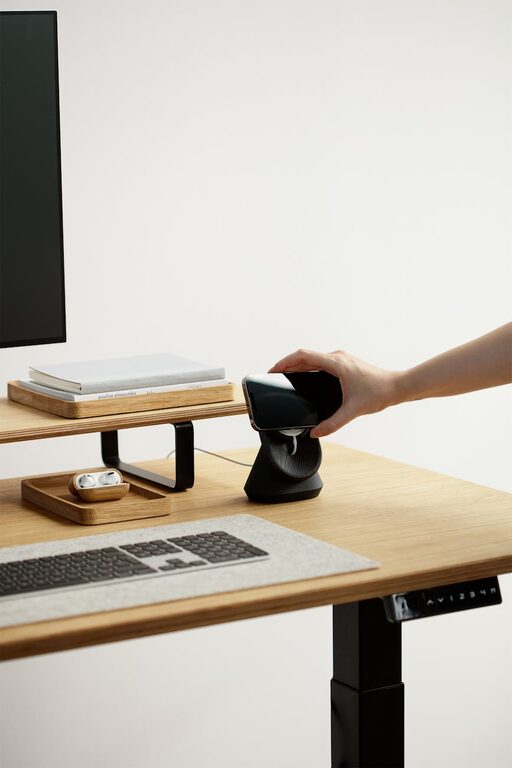
Creating a cozy and inviting home office space can make a significant difference in your workday. When your workspace feels comfortable and personalized, it’s easier to stay motivated, focused, and productive. Whether you work from home full-time or occasionally need a quiet corner to get things done, these tips will help you design a home office that feels just right.
Choose the Right Location
Find a Quiet Spot
Select an area in your home that is relatively quiet and free from distractions. This could be a spare room, a nook in the living room, or even a section of your bedroom. The less noise and foot traffic, the better for concentration.
Consider Natural Light
If possible, position your desk near a window to take advantage of natural light. Natural light can improve mood and reduce eye strain, making your workday more pleasant.
Invest in Comfortable Furniture
Ergonomic Desk and Chair
A comfortable, supportive chair and a desk at the right height are essential. Look for adjustable chairs with good lumbar support to avoid back pain, and consider desks that fit your space and needs.
Add Soft Textures
Incorporate soft textiles like cushions, rugs, or a cozy throw to soften the space and add warmth. These touches make the area inviting and comfortable during long work hours.
Keep It Organized
Use Storage Solutions
Clutter can cause stress and reduce productivity. Use shelves, drawers, and organizers to keep your supplies neat and accessible. Baskets and boxes can also help hide items you don’t use daily.
Declutter Regularly
Set aside time each week to clear out unnecessary papers or items. A tidy space fosters a clear mind.
Personalize Your Space
Add Personal Touches
Decorate your office with items that inspire you—photos, art prints, or plants. Personal items make the space feel uniquely yours and boost your mood.
Use Color Wisely
Choose colors that make you feel calm and focused. Soft blues, greens, or neutral tones are great for productivity, while pops of brighter colors can add energy.
Optimize Lighting
Layer Your Lighting
Combine overhead lighting with task lights like desk lamps to reduce eye strain and create a warm atmosphere. Dimmable lights can help adjust brightness to the time of day.
Avoid Glare
Position screens and lights to avoid glare and reflections, helping to keep your eyes comfortable.
Incorporate Greenery
Add Plants
Indoor plants improve air quality and add a natural element to your office, making it feel fresh and lively. Choose low-maintenance plants like succulents or snake plants if you don’t have a green thumb.
Create a Relaxing Environment
Having greenery and natural elements nearby can reduce stress and increase focus.
Create Boundaries
Define Your Workspace
If your home office shares space with other functions, such as a living room or bedroom, create clear boundaries with room dividers, rugs, or furniture placement. This helps your brain switch into “work mode.”
Establish a Routine
Maintaining consistent work hours and organization habits further reinforces the mental boundaries between work and relaxation time.
Add Functional Technology
Use Quality Equipment
Invest in reliable technology like a good monitor, keyboard, and high-speed internet. This reduces frustration and helps maintain a seamless workflow.
Manage Cables
Keep wires organized and out of sight with cable organizers to maintain a clean, distraction-free desk.
Enhance Comfort and Well-being
Control Temperature and Air Quality
Ensure the room is well-ventilated and at a comfortable temperature. Small fans, heaters, or air purifiers can help create a pleasant atmosphere.
Take Breaks and Move Around
Include a small area for stretching or short breaks. Moving regularly contributes to better health and productivity.
—
By thoughtfully combining comfort, organization, personalization, and functionality, you can create a home office that invites productivity and positivity. With these tips, your workspace will not just be a place to work—it will be a cozy retreat that supports your best work every day.